Clapham Junction same day rubbish collection SW11: a practical guide for fast local clearance
If you need Clapham Junction same day rubbish collection SW11, you are probably not planning ahead for fun. More likely, the flat is full, the office is backing up, builders have left a mess, or a landlord has given you that awkward last-minute deadline. Truth be told, rubbish has a habit of becoming urgent at exactly the wrong moment.
This guide explains how same day rubbish collection works in Clapham Junction, who it suits, what to expect, and how to avoid the usual headaches. You will also find practical tips on sorting waste, checking what can be taken, and choosing the right clearance option without overpaying or creating a compliance issue later on.
Why Clapham Junction same day rubbish collection SW11 matters
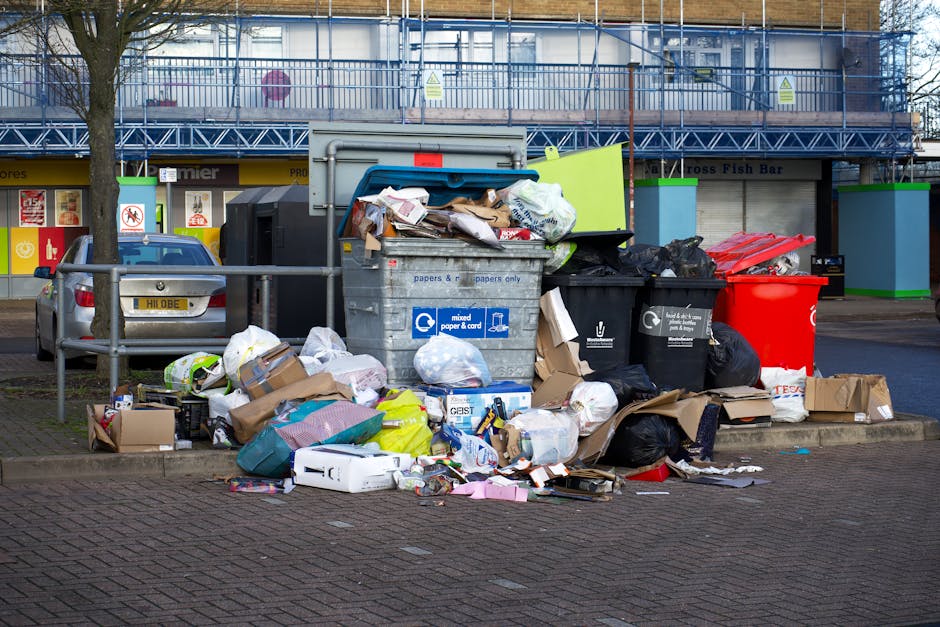
Clapham Junction is busy, compact, and full of mixed-use streets where waste can build up quickly. Flats, terraces, converted buildings, offices, shops, and building projects all create different kinds of rubbish. When that waste starts blocking hallways, storage rooms, rear access paths, or front steps, it becomes more than an eyesore. It becomes a practical problem.
Same day rubbish collection matters because timing is often the difference between a small clean-up and a stressful disruption. If you are moving out, handing over keys, welcoming new tenants, or preparing a worksite, you usually do not have the luxury of waiting several days. You need the space cleared, the route kept safe, and the job done in one clean sweep.
There is also a local reality to consider. In SW11, access can be tight. Parking can be awkward. Stairwells can be narrow. That means the collection service needs to be organised and responsive, not vague. The faster the rubbish leaves, the easier it is to keep things moving for neighbours, customers, staff, or family members.
Expert summary: same day rubbish collection is not just about speed. It is about restoring usable space quickly, reducing stress, and avoiding the knock-on effects of clutter, missed deadlines, or unsafe access. In a place like Clapham Junction, that can make a big difference very quickly.
How Clapham Junction same day rubbish collection SW11 works
The process is usually simpler than people expect. In most cases, you make an enquiry, describe the rubbish, give a rough idea of volume, and explain where the collection will happen. From there, the provider works out whether a same day visit is realistic and what crew size or vehicle might be needed.
For a small household load, a single team member may be enough. For heavier items, multiple bags, or awkward access, a larger team may be more suitable. That part matters more than people think. A job that sounds small on paper can become a time drain if there are four flights of stairs and no lift. Happens all the time, honestly.
Once the collection is confirmed, the team arrives, assesses the waste on site, and removes the agreed items. If there are mixed materials, they may separate recyclable loads from general waste where practical. That is one reason a good provider will ask questions before arrival rather than just turning up and hoping for the best.
Same day collection is usually most effective when the customer has already done a little prep. That does not mean sorting every screw and bottle top. It means making the waste accessible, removing obvious personal items, and being clear about anything that may need special handling, such as electricals or potentially hazardous materials.
You may also want to check whether the service includes loading, sweep-up, and disposal. Those details matter, especially if you are trying to leave a flat or workspace presentable after the rubbish is gone.
Key benefits and practical advantages
The obvious benefit is speed, but the real value goes a bit deeper than that. Same day clearance can prevent a chain reaction of delays. Once rubbish is out of the way, it is easier to clean, photograph, renovate, let, sell, or simply breathe again. And yes, that last one counts.
Here are the most practical advantages:
- Fast turnaround: ideal when you have a deadline or sudden overflow.
- Less disruption: rubbish is removed before it starts affecting neighbours, staff, or customers.
- Better safety: fewer trip hazards, less blocked access, and reduced fire risk from accumulated clutter.
- More control: you can clear only what is needed, rather than waiting for a larger scheduled job.
- Useful for mixed waste: especially when household rubbish, packaging, and bulky items appear together.
- Cleaner handovers: helpful for end of tenancy, office resets, or pre-sale preparation.
There is another advantage people sometimes overlook: decision fatigue disappears. Instead of staring at a pile of junk for three days and wondering where to begin, you deal with it in one go. That sounds small, but in practice it is huge.
If the waste includes furniture, appliances, or specialist items, a same day visit can also be paired with the right disposal route. For example, you may want to look at furniture clearance, fridge and appliance removal, or mattress and sofa disposal when the load is mainly bulky rather than general rubbish.
Who this is for and when it makes sense
This kind of service is useful for a surprisingly wide range of people. The most obvious users are homeowners and tenants who need a fast clear-out, but it is just as useful for landlords, letting agents, local businesses, tradespeople, and people managing a move or renovation.
It tends to make the most sense when one of these situations applies:
- you have a same day deadline, such as a handover or inspection
- your rubbish is blocking access or creating a safety issue
- you have bulky items that are hard to lift or move alone
- you need to clear a room before another team arrives
- the amount of waste is awkward for normal bin collection
- you are dealing with a one-off overspill after a clear-out or delivery
For example, a flat owner in SW11 might need a quick pickup after replacing furniture. A shop near Clapham Junction might need packaging and stock waste cleared before opening the next morning. A builder might need rubble and offcuts gone before the next phase starts. Different reasons, same core need: get the space back, fast.
If your situation is more specific, it helps to match the service to the waste type. For larger household projects, home clearance, house clearance, or flat clearance may be a better fit. For business premises, business waste removal and office clearance are usually more appropriate.
Step-by-step guidance
Here is a straightforward way to approach same day rubbish collection without making it more complicated than it needs to be.
- Identify what needs removing. Separate general rubbish, bulky items, building waste, and anything that may need special handling.
- Estimate the volume. A few bags is very different from a full room or a pile of trade debris. Be realistic, not optimistic.
- Check access. Note stairways, parking issues, loading restrictions, and whether there is lift access.
- Flag special items early. Appliances, confidential papers, or potentially hazardous items should be mentioned before collection day.
- Ask about disposal and recycling. A responsible provider should be able to explain how waste will be handled.
- Prepare the area. Move what you can safely, keep walkways clear, and make the waste easy to reach.
- Confirm the arrival window. Same day does not always mean instant. It usually means the job is scheduled promptly, but timing still matters.
- Review the collected items. Make sure nothing was left behind by mistake, especially small items in corners or behind furniture.
One small but useful tip: take photos before the collection if you are clearing a rental, office, or shared property. It gives you a simple record of what was there and what was removed. Not glamorous, but helpful.
Expert tips for better results
After enough clearances, a pattern becomes obvious. The smooth jobs are rarely the ones where everything is perfect. They are the ones where the customer gives a few useful details early and keeps the waste accessible. That is half the battle.
- Be accurate about the type of waste. General household rubbish, renovation debris, and electrical items are not the same thing.
- Group similar items together. Bagged waste, cardboard, wood, and furniture are easier to handle when they are not scattered everywhere.
- Leave a clear route. A tidy hallway or loading path speeds everything up and reduces the chance of damage.
- Mention tight access. Narrow staircases and no-parking zones are normal in London, but they still affect the job.
- Ask about recycling options. If you care about diverting waste where possible, say so early.
- Keep personal items separate. It sounds obvious, yet small items often end up mixed into "junk" piles. Then someone spends five minutes looking for keys. Annoying, and avoidable.
A good rule of thumb: if you think the crew might have to guess, say more. A couple of extra details can save a lot of time. And to be fair, it also helps the provider give a more accurate expectation on the day.
If your clearance is mostly waste rather than bulky one-off items, it can help to review waste removal and recycling and sustainability so you know what good practice looks like before the team arrives.
Common mistakes to avoid
The most common mistake is underestimating volume. People look at a pile in the corner and think, "That's not much." Then the crew arrives and finds the same pile has spread into three rooms, a cupboard, and the landing. Happens more often than you would think.
Other mistakes are just as avoidable:
- Mixing prohibited items with general rubbish. If something needs special disposal, it should be identified early.
- Blocking access right up to collection time. If the team cannot reach the waste, the job slows down quickly.
- Ignoring building rules or access restrictions. In shared buildings, this can create avoidable friction with neighbours or management.
- Assuming all clearance services handle the same loads. Builders waste, appliances, furniture, and confidential materials each require different handling.
- Leaving pricing unclear. Ask how the job is assessed and what could affect the final cost before you commit.
Another subtle mistake is trying to save time by leaving everything mixed together. It feels efficient, but it often slows the job down on the day. A little sorting at the start usually pays off.
Tools, resources and recommendations
You do not need a van, a skip permit, or a warehouse full of equipment to manage a same day rubbish collection well. What you do need is a simple plan and a clear understanding of the waste type.
Useful things to have ready include:
- a quick list of the main items to be removed
- approximate photos of the waste pile
- information about floor level and access
- details of any heavy or awkward items
- guidance on parking or loading restrictions
For more specialised jobs, you may want to look at linked service pages such as builders waste clearance, garden clearance, garage clearance, loft clearance, or furniture disposal. These are particularly useful when the waste is tied to one room, one project, or one bulky category.
For a smooth booking experience, it is also worth reviewing the provider's pricing and quotes, payment and security, and insurance and safety information. Those pages are not exciting, admittedly, but they tell you a lot about how seriously the company handles the job.
Law, compliance, standards, or best practice
Waste clearance in the UK is not just a matter of loading a van and driving off. There are legal and practical expectations around how waste is handled, especially when items could include electricals, fridges, office materials, or waste from renovation work. You do not need to become an expert, but you should expect the service provider to operate responsibly.
Best practice usually includes:
- taking waste to an appropriate disposal or recovery facility
- separating reusable or recyclable materials where practical
- handling restricted or hazardous items with extra care
- keeping the collection process safe for workers and residents
- being clear about what can and cannot be removed on the day
If you are clearing a business or shared premises, you should also think about confidentiality, duty of care, and site safety. Paper records, branded documents, and IT-related waste may need more considered handling. In that case, confidential shredding can be relevant, and you may also want to read the company's health and safety policy.
For hazardous or unusual materials, do not guess. Ask first. That includes things like chemicals, some paints, solvents, contaminated items, and anything that could pose a safety risk during transport or disposal. If you are unsure, that is the point where caution is sensible.
Options, methods, or comparison table
There are a few common ways to deal with urgent waste in Clapham Junction. The right one depends on access, volume, item type, and how quickly you need the space back.
| Option | Best for | Strengths | Limitations |
|---|---|---|---|
| Same day rubbish collection | Urgent, mixed, or bulky waste | Fast, flexible, handled for you | Availability depends on schedule and access |
| Skip hire | Longer projects with steady waste output | Good for ongoing work, useful on-site storage | Requires space and may involve permits or waiting |
| Self-load and tip | Small loads with time and transport | Can be economical for very small jobs | Time-consuming, physically demanding, and less convenient |
| Specialist clearance | Furniture, appliances, office waste, or builders debris | Tailored handling, better for specific loads | May not suit mixed, unpredictable piles |
If you are still unsure, think in simple terms: if it is urgent, awkward, or already causing a mess, same day collection is usually the easiest route. If the waste will keep appearing over several days, another method may fit better.
Case study or real-world example
Imagine a small flat near Clapham Junction where a tenant is moving out on a Friday afternoon. The hallway has an old wardrobe, a broken chair, several bin bags, and a boxed fridge that will not fit in the lift. The letting agent wants the flat ready for inspection the next morning. Not ideal, but not unusual either.
Instead of trying to move everything in stages, the occupier sends photos, explains the access issues, and confirms that the rubbish is ready by the front door and in the bedroom. The crew arrives, removes the bulky pieces, takes the remaining waste, and leaves the space clear enough for final cleaning. The job that looked like a weekend-long headache is done before evening.
The same pattern works for offices too. A team finishing refurbishment may have cardboard, broken desks, packaging, and a few awkward items left behind after tradespeople have gone. Same day clearance helps them reset the space quickly so the next phase can begin without mess underfoot. Little things matter there. A clean floor changes the whole feel of the room.
That is the real value of good clearance work. It is not dramatic. It is just quietly effective.
Practical checklist
Use this before booking or on the morning of collection:
- List the main items you want removed
- Estimate how much waste there is, roughly
- Take clear photos if possible
- Check access, parking, and stair details
- Separate anything personal or valuable
- Identify appliances, bulky items, or specialist waste
- Make the load easy to reach
- Confirm the time window and any collection notes
- Ask about recycling or recovery where relevant
- Keep important documents, keys, and electronics out of the pile
If you can tick most of those off, the collection is much more likely to go smoothly. That is the honest version. No magic, just good prep.
Get a free quote today and see how much you can save.
Conclusion
Clapham Junction same day rubbish collection SW11 is really about speed, convenience, and getting control back when waste is getting in the way. Whether you are clearing a flat, dealing with office clutter, shifting builders debris, or making room for a move, the best results come from clear communication and a little preparation.
Keep the load accessible, be honest about the volume, and choose a service that handles the job properly from collection to disposal. That approach saves time, reduces stress, and gives you a cleaner finish. Simple, but it works.
And if all you needed was one less pile to stare at by the end of the day, well, that's a pretty good win.
Frequently Asked Questions
What counts as same day rubbish collection in Clapham Junction?
It usually means the waste is collected on the same calendar day you make the booking, subject to availability, access, and the type of rubbish involved.
How fast can rubbish be collected in SW11?
That depends on schedule and location details. Small, easy-access jobs are usually simpler to arrange than large or awkward clearances, especially in busy parts of Clapham Junction.
Can bulky items be removed on the same day?
Yes, often they can. Furniture, mattresses, broken appliances, and mixed bulky items are commonly handled through dedicated clearance or disposal services.
Do I need to sort the rubbish before collection?
A full sort is not usually required, but grouping items and separating personal belongings helps the job go faster and reduces the chance of mistakes.
Is same day rubbish collection suitable for businesses?
Yes. Offices, shops, and trade premises often use same day collection when they need packaging, office waste, furniture, or renovation debris removed quickly.
What if I have builders waste rather than household rubbish?
Then it is better to describe it clearly as builders waste, rubble, offcuts, or renovation debris. That helps the provider assess the right vehicle and team size.
Can confidential papers or office files be collected too?
They can, but they should be handled appropriately. If documents are sensitive, confidential shredding is the safer route rather than treating them as ordinary rubbish.
Will everything be recycled?
Not always. Some items can be recycled or recovered, while others must go to appropriate disposal routes. A responsible provider should explain the process clearly rather than pretending every item has the same destination.
What should I do if access is difficult?
Tell the provider in advance. Narrow stairways, parking restrictions, and no-lift buildings are common in London, and they affect how the collection is planned.
Are hazardous items included in normal rubbish collection?
Usually not. Hazardous materials need special handling and should always be mentioned before collection. If you are unsure, ask first rather than leaving it to chance.
Is same day rubbish collection better than skip hire?
It depends on the job. Same day collection is usually better for urgent, mixed, or bulky loads. Skip hire can make more sense for longer projects with ongoing waste.
How do I get the most accurate quote?
Provide photos, approximate volume, item types, and access details. The more complete the information, the more reliable the quote will be.
Can rubbish be collected from flats or upper floors?
Yes, often it can. Flats and upper-floor properties are very common in SW11, but stair access, lift availability, and parking can affect the final arrangement.
Where can I learn more about the company before booking?
You can review the about us page, check pricing and quotes, and use the book online page when you are ready to take the next step.